The protein powder market generates over $20 billion annually. That's a staggering sum for what is, at its core, a food product — concentrated protein extracted from dairy, eggs, or plants. Yet the industry has evolved into a minefield of inflated claims, underdosed products, and premium pricing for ingredients that offer no measurable advantage. This guide cuts through the noise with evidence, not marketing, much of it compiled by the NIH ODS Exercise and Athletic Performance factsheet.
Do You Actually Need Protein Powder?
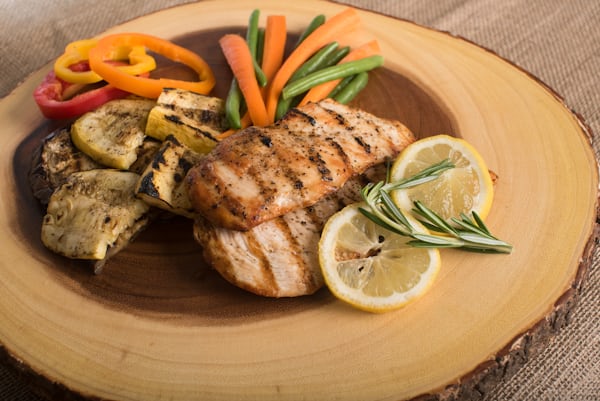
Let's start with the question most guides skip: is protein powder necessary? The answer, for most people, is no. Whole food protein sources — chicken, eggs, Greek yoghurt, fish, legumes — provide protein alongside a broader nutritional package including micronutrients, healthy fats, and fibre. The general recommendation for active individuals is 1.6–2.2g of protein per kilogram of bodyweight daily. For an 80kg person, that's 128–176g of protein — achievable through food alone. This aligns with guidance from the USDA Dietary Guidelines.
Protein powder's genuine value is as a convenient, affordable top-up when whole food intake falls short. Post-workout when you don't have time for a meal, during travel, or when hitting high protein targets without excess calories — these are the legitimate use cases. Think of it as a tool, not a necessity.
Whey Protein: The Gold Standard
Whey is derived from the liquid byproduct of cheese production — it's a complete protein containing all nine essential amino acids, and it's particularly rich in leucine, the amino acid that most directly triggers muscle protein synthesis. A typical serving of whey provides 2.5–3g of leucine, which research suggests is near the threshold needed to maximally stimulate anabolic signalling. According to CDC Nutrition, these principles are well-established
Its absorption profile is fast: peak amino acid concentrations in the blood appear within 60–90 minutes of ingestion. This makes whey well-suited to the post-workout window, where rapid amino acid delivery supports muscle repair. Multiple meta-analyses have confirmed whey's superiority over other protein sources for acute muscle protein synthesis rates — though total daily protein intake matters more than any individual dose or source. For more, see our guide on daily protein needs
Whey Concentrate vs Isolate
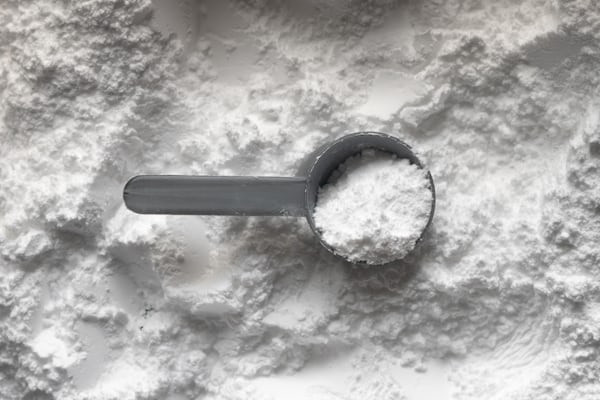
Whey concentrate is less processed, retaining more of the naturally occurring fats, carbohydrates, and bioactive compounds from milk. It typically provides 70–80% protein by weight. Whey isolate undergoes additional filtration to remove most fat and lactose, yielding 90%+ protein by weight. Isolate is a better choice for those with lactose sensitivity. For most people, the practical difference in muscle-building outcomes is negligible — concentrate is cheaper and still effective.
Casein Protein: The Slow Burner
Casein, the other major protein in milk, behaves very differently from whey. When it hits the stomach, it forms a gel-like clot that slows gastric emptying, producing a sustained release of amino acids over 5–7 hours. This slow-drip delivery profile makes it less effective than whey at acutely spiking muscle protein synthesis, but well-suited to specific contexts. For more, see our guide on creatine guide
When to Use Casein
The strongest evidence supports pre-sleep casein supplementation. A landmark 2012 study by Res et al. found that consuming 40g of micellar casein before bed improved overnight muscle protein synthesis by approximately 22% compared to placebo, without affecting morning appetite. For those in a muscle-building phase, this represents a genuine optimisation opportunity. Casein is also useful as a meal replacement or high-satiety snack, since its slow digestion extends fullness considerably longer than whey.
"Protein quality matters, but protein quantity matters more. Once you're hitting your daily target consistently, the differences between protein sources become small. The best protein powder is the one you'll actually use." — Dr. Stuart Phillips, McMaster University Muscle Health Research Centre
Plant-Based Protein: Who It's For
Plant-based protein powders have improved dramatically in quality over the past decade. The key development: combining complementary plant sources to create a complete amino acid profile. Pea protein combined with rice protein is the most researched and effective pairing — together they approximate the amino acid profile of whey, including adequate leucine content.
Digestibility is the legitimate challenge with plant proteins. Most plant sources score lower on the DIAAS (Digestible Indispensable Amino Acid Score) than animal proteins, meaning a larger dose is needed to achieve the same anabolic response. Practically, this means aiming for 30–40g of a pea/rice blend versus 25g of whey to achieve equivalent muscle protein synthesis. Digestive enzyme blends added to many plant powders do improve absorption, and the evidence for gut comfort is generally positive.
For vegans and those with dairy intolerances, a quality pea/rice blend is a sound choice that delivers meaningful muscle-building support. The gap between animal and plant proteins, when total daily intake is matched, is smaller than the supplement industry's animal-protein marketing would have you believe.
Protein Concentrate vs Isolate vs Hydrolysate
The three main processing grades apply to both whey and plant proteins:
- Concentrate: Least processed, most affordable, retains more natural compounds. 70–80% protein by weight. Best for most people.
- Isolate: Higher protein percentage (90%+), lower fat and carbs, reduced lactose. Better for calorie-conscious users and those with lactose sensitivity.
- Hydrolysate: Pre-digested protein for faster absorption. Primarily used in clinical nutrition and for people with digestive conditions. The premium price is rarely justified for recreational athletes.
What to Look For on the Label — and Red Flags to Avoid
The protein powder market has a well-documented problem with "amino spiking" — adding cheap amino acids like glycine, taurine, or creatine to inflate the nitrogen content (and therefore the apparent protein content) on the label without providing actual complete protein. The result: less protein per scoop than advertised.
Protein per serving: 20–30g from a single source (not padded with free amino acids)
Ingredient order: Protein source (whey, casein, pea) should be the first ingredient
Third-party testing: Look for NSF Certified for Sport, Informed Sport, or USP certification
Price per gram of protein: Calculate this — aim for under $0.05/g
Red flags to avoid:
— "Amino matrix" or "protein complex" language hiding cheap amino acids
— Proprietary blends with no individual doses listed
— Serving sizes over 50g with only 20g protein (high filler ratio)
— No third-party testing certification
How Much Protein Powder Is Too Much?
A common concern, partly driven by old myths about kidney damage. In healthy individuals, the research is clear: high protein diets — up to at least 3.4g/kg/day in trained athletes — show no evidence of kidney or liver harm. The body simply excretes excess nitrogen through urine. The practical ceiling is set by your calorie budget and digestive comfort, not organ safety. For most people, 1–2 shakes per day alongside a protein-rich diet is a sensible upper limit, simply because whole food sources should form the foundation of your protein intake.
Our Buying Criteria Framework
Before purchasing any protein powder, evaluate it against these four criteria:
- Protein per serving: At least 20g of complete protein per 30–35g scoop
- Ingredient quality: First ingredient is the protein source; minimal artificial additives
- Third-party testing: At least one certification confirming label accuracy and absence of banned substances
- Price per gram: Calculate the actual cost per gram of protein across full tub — this exposes the true value proposition better than per-scoop marketing
The Bottom Line
Protein powder is a useful, convenient tool for hitting daily protein targets — not a muscle-building magic product. Whey concentrate or isolate remains the best-evidenced option for most people. Casein earns a legitimate role for pre-sleep supplementation. A quality pea/rice plant blend is a genuinely viable alternative for those avoiding dairy. Always prioritise whole food protein sources first, and consult a registered dietitian or healthcare professional to assess your individual protein needs before significantly changing your intake.