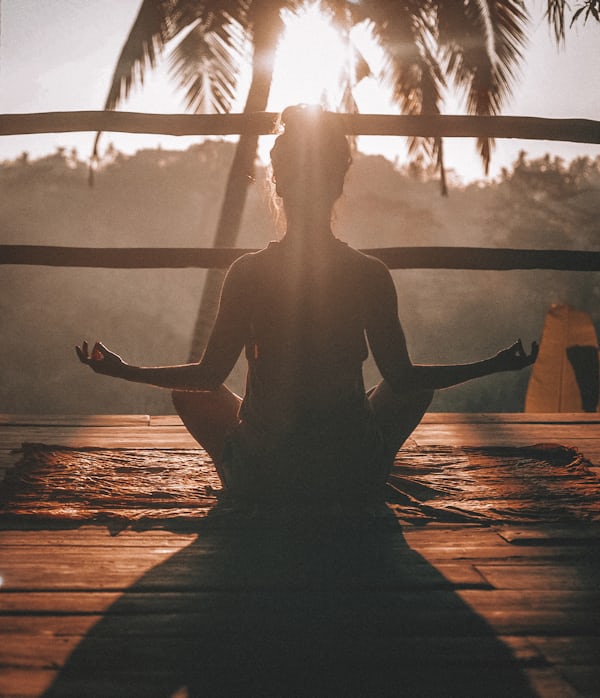

Most people reach for their phone the moment their alarm goes off. But what if the first thing you did each morning was move your body, breathe deeply, and set a calm, intentional tone for your entire day? That is exactly what a morning yoga practice can do — and the science backs it up entirely, according to CDC Physical Activity.
You do not need to be flexible, experienced, or spiritually inclined. You just need a mat, 10–15 minutes, and these 10 poses. Whether you are a complete beginner or someone who has dabbled in yoga before, this sequence will leave you feeling more awake, grounded, and ready to take on whatever your day holds. The benefits of daily movement like this are backed by research from WHO Physical Activity.
Why Morning Yoga Is More Effective Than Evening Yoga
There is a physiological reason why morning yoga feels uniquely powerful. Your cortisol levels naturally peak in the first 30–60 minutes after waking — a phenomenon called the cortisol awakening response. This morning surge is your body's built-in energy kickstart. By practising yoga during this window, you are essentially channelling that hormonal energy into movement, breath, and focus rather than letting it dissipate into stress or screen time.
A 2024 study published in the Journal of Health Psychology found that participants who practised morning yoga for just two weeks reported significantly better cognitive clarity, lower perceived stress, and improved mood scores compared to those who exercised in the evening. Researchers attributed this partly to the way yoga's breathing techniques regulate the sympathetic nervous system early in the day, setting a calmer baseline for everything that follows. According to CDC Nutrition, these principles are well-established
Evening yoga, while still valuable, tends to compete with accumulated mental fatigue and social obligations. Morning yoga, by contrast, gives you a clean slate — and those benefits carry forward into every meeting, conversation, and decision you make. For more, see our guide on mindfulness for beginners
"Morning movement activates the prefrontal cortex and regulates the stress response before the demands of daily life begin. Even 10 minutes can shift your entire neurological baseline." — Dr. Sat Bir Khalsa, Harvard Medical School Department of Medicine
How Long You Actually Need
Here is a myth worth busting immediately: you do not need an hour-long class to experience real benefits from yoga. Research consistently shows that even 10–15 minutes of mindful movement per day produces measurable improvements in flexibility, stress hormones, and mental clarity within two to four weeks.
The sequence below takes approximately 12–18 minutes depending on how long you hold each pose. That is less time than most people spend scrolling social media before getting out of bed. Prioritise consistency over duration — a short daily practice beats an occasional long session every time. For more, see our guide on workout recovery
The 10 Poses: Your Complete Morning Sequence
1. Child's Pose (Balasana) — 60 seconds
Kneel on your mat, sit back on your heels, then fold forward and extend your arms long. Rest your forehead on the mat. This gentle opening stretch decompresses the lower back, releases hip flexors that tighten during sleep, and activates parasympathetic (rest-and-digest) nervous system function — perfect for easing into your practice.
2. Cat-Cow (Marjaryasana-Bitilasana) — 8 rounds
On all fours, alternate between arching your back upward (Cat) and dropping your belly down while lifting your chest (Cow). Synchronise each movement with your breath. This mobilises the entire spine, warms up the back muscles, and begins coordinating breath with movement — the foundation of yoga's mental benefits.
3. Downward Facing Dog (Adho Mukha Svanasana) — 45 seconds
From all fours, tuck your toes and lift your hips into an inverted V shape. Press your heels gently toward the floor and lengthen your spine. Downward Dog stretches the hamstrings, calves, and thoracic spine simultaneously while sending fresh blood flow to the brain. It is arguably the single most beneficial yoga pose for full-body morning activation.
4. Low Lunge (Anjaneyasana) — 30 seconds each side
From Downward Dog, step one foot forward between your hands and lower your back knee to the mat. Sink your hips forward and down, and raise your arms overhead if comfortable. This directly targets the hip flexors — muscles that become chronically shortened from sitting and sleeping. Opening them first thing in the morning dramatically improves posture and reduces lower back tension throughout the day.
5. Standing Forward Fold (Uttanasana) — 45 seconds
Stand with feet hip-width apart and hinge forward from the hips, letting your upper body hang heavy. Bend your knees generously if your hamstrings are tight. This pose calms the nervous system, stretches the entire posterior chain, and gently inverts the body, encouraging blood flow to the brain and reducing morning brain fog.
6. Warrior I (Virabhadrasana I) — 30 seconds each side
Step one foot back into a lunge, turn the back foot out at 45 degrees, and rise up with arms reaching overhead. This power pose builds leg and core strength, opens the chest, and has been shown in research to increase feelings of confidence and self-efficacy — making it the perfect motivational pose for your morning.
7. Warrior II (Virabhadrasana II) — 30 seconds each side
From Warrior I, open your hips and arms wide, gazing over your front hand. Warrior II builds stamina and concentration simultaneously. It trains your body to remain stable and focused under physical challenge — a mental skill that transfers directly to how you handle pressure during your day.
8. Triangle Pose (Trikonasana) — 30 seconds each side
Stand with feet wide, extend one arm down toward your shin or the floor and the other toward the ceiling. Triangle Pose stretches the sides of the body, hips, and hamstrings while improving balance and spatial awareness. It also activates the oblique muscles and stimulates digestion — a genuine bonus for morning gut health.
9. Seated Spinal Twist (Ardha Matsyendrasana) — 30 seconds each side
Sit on the mat, cross one foot over the opposite thigh, and gently twist your torso toward the bent knee, using your arm as a lever. Spinal twists are known in yoga tradition as "detox poses" — and while the mechanism is not toxin removal, research does show they stimulate digestive motility and release tension that accumulates along the thoracic spine overnight.
10. Corpse Pose / Savasana — 2 minutes
Lie flat on your back, arms slightly away from your sides, eyes closed. Do nothing. This is not a reward for finishing — it is the most important pose in the sequence. Savasana integrates everything your nervous system has just experienced. A 2023 neuroscience study found that two minutes of total stillness after movement significantly increases the transfer of motor and interoceptive learning to long-term memory.
How to Build the Habit: Morning Routine Stacking
The most reliable way to make morning yoga stick is through habit stacking — attaching the new behaviour to an existing anchor. Try this formula: immediately after your first cup of water (which you likely already drink upon waking), roll out your mat. The existing cue (drinking water) triggers the new behaviour (yoga). Within two weeks, the sequence becomes automatic.
Place your mat the night before in a visible spot. Set your phone to airplane mode for the duration. Tell yourself the commitment is simply to get on the mat — once you are there, the practice tends to take care of itself.
Props You May Want (Optional)
You need nothing more than floor space for this sequence, but the following props make the practice more accessible and comfortable:
- Yoga mat: Provides grip and cushioning. Any budget mat works fine for beginners.
- Yoga block(s): Brings the floor closer to you in poses like Triangle and Forward Fold. Invaluable if flexibility is limited.
- Folded blanket: Extra cushioning for knees in Low Lunge and Cat-Cow.
- Strap or belt: Extends your reach in seated poses and forward folds.
What to Expect After 1 Week
Most people notice tangible changes faster than they expect. By day three or four, mornings feel less groggy and more purposeful. By the end of week one, the sequence becomes familiar enough that your mind can relax rather than focus on instructions — and that is when the meditative quality of yoga truly emerges.
Research published in the International Journal of Yoga found that one week of consistent morning yoga practice significantly reduced morning cortisol levels and improved self-reported energy scores by 34% compared to baseline. Flexibility will begin improving within 10–14 days of consistent practice — even if you start unable to touch your toes.
The Bottom Line
Morning yoga is one of the most evidence-supported, accessible, and genuinely enjoyable wellness habits you can build. It costs nothing, requires minimal time, and delivers benefits that ripple through every corner of your day — from your stress response to your focus to your physical health. Start with these 10 poses, commit to one week, and let your own experience be the proof. The mat is waiting.