The biggest myth in weight loss is that eating less means feeling hungry all the time. It doesn't have to. The key is choosing foods that are high in satiety per calorie — foods that trigger fullness hormones, slow digestion, and keep blood sugar stable so you naturally eat less without white-knuckling it.
Here are 25 foods that research consistently links to easier, more sustainable weight loss — organised by category so you can build balanced meals from each group.
What Makes a Food Good for Weight Loss?
Before the list, here's the science behind why these foods work. Four mechanisms matter:
- Satiety index: A measure of how filling a food is per calorie, developed by Dr. Susanna Holt at the University of Sydney. Boiled potatoes score 323 — nearly triple that of white bread (100). High-satiety foods let you eat less without feeling deprived.
- Protein density: Protein triggers the release of PYY and GLP-1 (fullness hormones) while suppressing ghrelin (the hunger hormone). Gram for gram, protein is the most satiating macronutrient, as supported by NIDDK weight management research.
- Fibre content: Soluble fibre forms a gel in the gut, slowing digestion and blunting blood sugar spikes. Insoluble fibre adds bulk with near-zero calories.
- Thermic effect of food (TEF): Your body uses calories to digest food. Protein has a TEF of 25–30%, meaning you burn 25–30 calories processing every 100 protein calories. Fat has a TEF of just 2–3%.
"Weight loss is not about eating less — it's about eating smarter. Foods with high protein and fibre content reduce total calorie intake naturally, without the hunger that derails most diets." — Dr. Frank Sacks, Harvard T.H. Chan School of Public Health
Top 5 Lean Proteins
- Chicken breast: 165 calories per 100g, 31g protein. The gold standard of lean protein. Versatile, affordable, and keeps you full for 4+ hours.
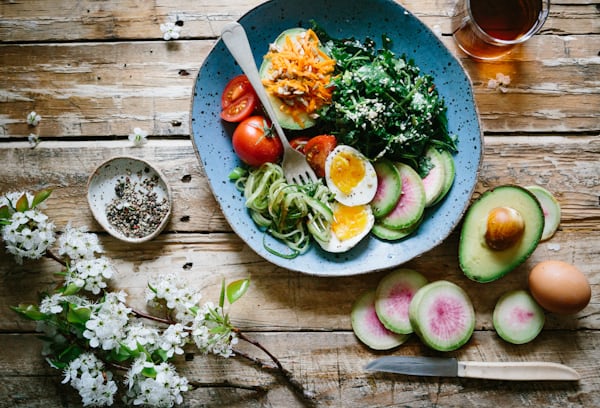
- Eggs: 155 calories per 100g, 13g protein. Studies show eating eggs at breakfast reduces calorie intake at lunch by up to 400 calories compared to a bagel breakfast of equal calories.
- Greek yogurt: 59 calories per 100g (non-fat), 10g protein. Probiotics support gut health; the thick texture slows gastric emptying. Choose plain varieties to avoid added sugar.
- Cottage cheese: 98 calories per 100g, 11g protein. One of the most underrated weight-loss foods. High in casein protein, which digests slowly and keeps you full for hours.
- Salmon: 208 calories per 100g, 20g protein plus omega-3 fatty acids. Omega-3s reduce inflammation and may improve leptin sensitivity — the hormone that signals long-term satiety, according to the NIH Office of Dietary Supplements on omega-3 fatty acids.
Top 5 Vegetables
- Broccoli: 34 calories per 100g, 2.8g fibre, 2.8g protein. Volume per calorie is exceptional — 200g of broccoli is less than 70 calories and takes up significant space in your stomach.
- Spinach: 23 calories per 100g. Contains thylakoids — compounds shown in Swedish research to reduce appetite by 95% and cravings by 43% compared to controls.
- Sweet potato: 86 calories per 100g, 3g fibre. Despite its reputation as a "carby" food, sweet potato ranks high on the satiety index and causes a gradual blood sugar rise.
- Cauliflower: 25 calories per 100g. A genuinely useful lower-calorie substitute for rice, mash, and pizza bases. Not a perfect swap, but a practical one for reducing calorie density.
- Courgette: 17 calories per 100g. Mostly water, which adds stomach volume with almost no caloric cost. Pairs well with any protein for a filling, low-calorie meal.
Top 5 Complex Carbs
- Oats: 389 calories per 100g dry, 11g fibre, 17g protein. Beta-glucan fibre reduces LDL cholesterol and slows gastric emptying significantly. A bowl of oats keeps most people full for 3–4 hours.
- Quinoa: 120 calories per 100g cooked, 4.4g protein — a complete protein, rare for a grain. Higher protein content than rice or pasta means more satiety per portion.
- Brown rice: 216 calories per 100g cooked, 1.8g fibre. The fibre in the bran layer slows digestion compared to white rice. A practical, filling base for weight-loss meal prep.
- Lentils: 116 calories per 100g cooked, 9g protein, 8g fibre. A meta-analysis of 21 trials found that eating a serving of pulses daily reduces body weight by 0.34kg without calorie restriction.
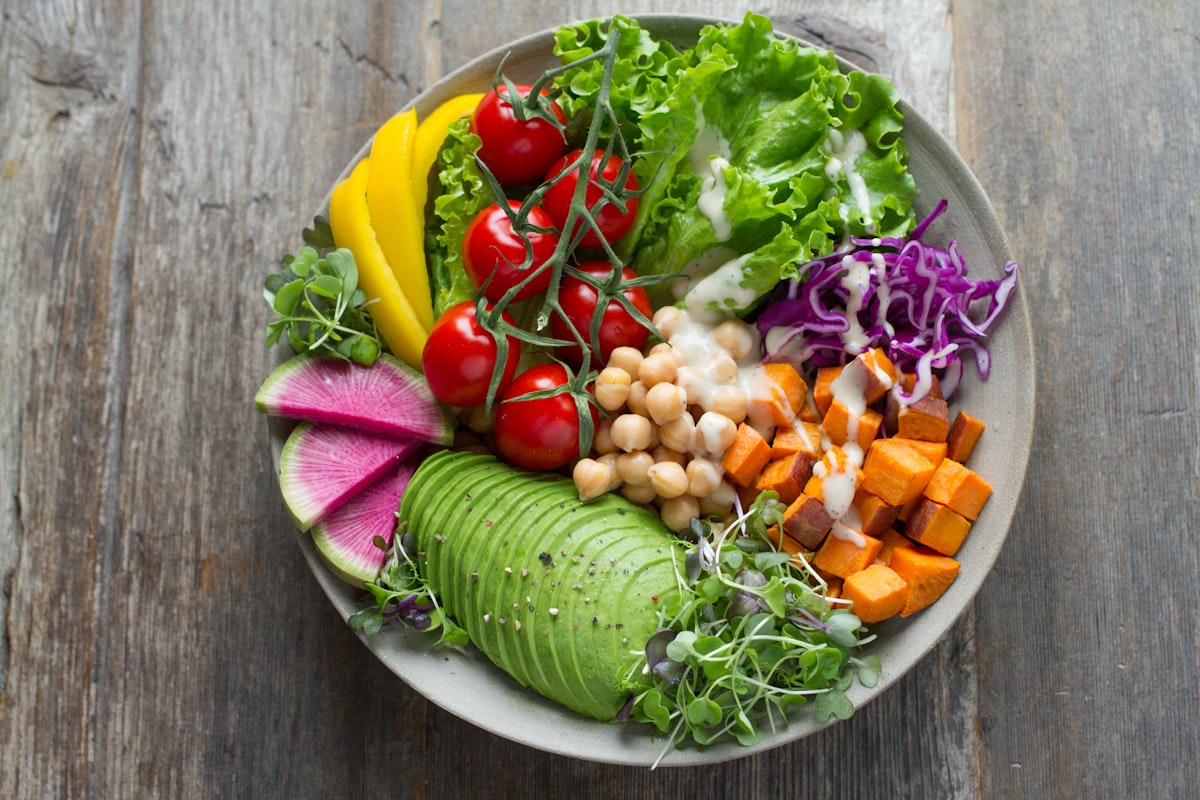
- Black beans: 132 calories per 100g cooked, 9g protein, 8.7g fibre. Resistant starch in beans feeds beneficial gut bacteria and reduces fat storage signals.
Top 5 Healthy Fats
A persistent myth is that eating fat makes you fat. Fat is calorically dense (9 kcal/g vs 4 kcal/g for protein and carbs), but the right fats slow digestion, trigger satiety hormones, and reduce overall calorie intake when portioned correctly.
- Avocado: 160 calories per 100g. Rich in monounsaturated fat and fibre (6.7g per 100g). Studies show adding avocado to a meal significantly increases satiety and reduces the desire to eat for up to 5 hours.
- Extra virgin olive oil: Contains oleocanthal, an anti-inflammatory compound. Use as a dressing rather than a cooking fat for maximum benefit.
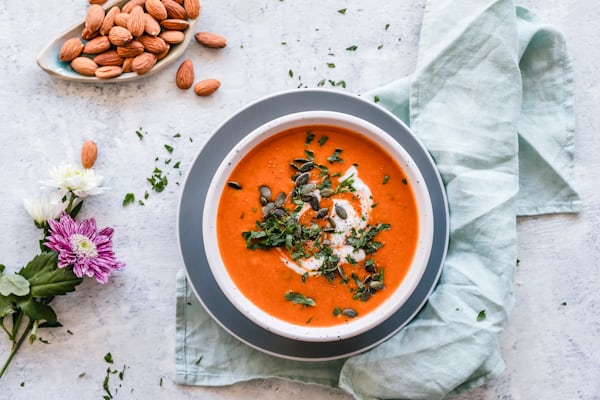
- Almonds: 579 calories per 100g, but studies consistently show people underabsorb almond calories by up to 32% due to the food matrix. 30g as a snack reduces overall daily calorie intake.
- Chia seeds: 486 calories per 100g, but 34g fibre per 100g. Absorb up to 12 times their weight in water, creating a gel that expands in your stomach and slows digestion dramatically.
- Walnuts: High in alpha-linolenic acid (ALA), a plant omega-3 that supports satiety signalling. Research from the University of San Diego found walnuts activate the insula — the brain region that controls food choices.
Top 5 Hydrating Liquids
- Water: Drinking 500ml before meals reduces calorie intake by an average of 75–90 calories per meal in research trials. Aim for 2.5–3 litres per day total.
- Green tea: EGCG catechins combined with caffeine modestly boost fat oxidation by 10–16%. Drink 3–4 cups per day for metabolic benefit.
- Black coffee: Caffeine suppresses appetite and increases metabolic rate by 3–11%. Avoid added syrups and cream — a 200ml espresso is 5 calories; a flavoured large latte can exceed 400.
- Bone broth: High in protein (8–10g per cup) and glycine, which supports gut lining integrity. Warm, salty, and satisfying — an excellent low-calorie snack alternative.
- Sparkling water: No evidence it causes bloating long-term, and studies suggest carbonation increases stomach volume, temporarily reducing hunger. A useful tool for managing appetite between meals.
Foods to Minimise (Not Eliminate)
Ultra-processed foods, sugary beverages, and refined grain products aren't forbidden — but they are low-satiety, high-calorie, and easy to overeat. A 2019 NIH study found that people on an ultra-processed diet consumed an average of 508 more calories per day, a finding consistent with the U.S. Dietary Guidelines than those eating whole foods, even when given unlimited access to both. That gap compounds over weeks and months.
Minimise rather than eliminate: crisps, biscuits, white bread, fruit juice, fizzy drinks, and fast food. Allow them occasionally so they don't become forbidden fruit that triggers overindulgence.
Sample Full Day of Eating Using These Foods
- Breakfast: 80g oats with 150g Greek yogurt, handful of walnuts, and mixed berries — 520 cals, 32g protein
- Lunch: 150g grilled chicken breast, 80g quinoa, large spinach salad with olive oil dressing — 480 cals, 45g protein
- Snack: 30g almonds + 1 medium apple — 230 cals, 7g protein
- Dinner: 150g baked salmon, 200g roasted broccoli and courgette, 80g cooked brown rice — 520 cals, 38g protein
- Total: approximately 1,750 cals, 122g protein
The Bottom Line
Weight loss without hunger is possible when you build your diet around foods that work with your biology rather than against it. The 25 foods in this guide are not a magic list — they're tools. Use them to build meals that are filling, nutritious, and genuinely enjoyable. The best weight-loss diet is the one you can sustain for years, not weeks. To support your goals, make sure you understand how much protein you actually need per day, and learn why calorie counting alone often fails.
Start by adding one or two new foods from each category into your current eating pattern. Small, consistent changes create the lasting metabolic shifts that one-off diet cycles never do. If you have specific health conditions or take medication, always consult a registered dietitian before making major dietary changes.